

5 Effective Exercises for Lower Back Pain You Can Do at Home
Lower back pain is one of the most frustrating and debilitating types of pain a person can experience. It also turns out to be one of the most common, especially as modern lifestyles involve more sitting and less movement. This prolonged sitting, along with poor posture and general muscle weakness can contribute to stiffness and pain in the lower back. And as most of us know, lower back pain can impact almost every other aspect of our lives.
Fortunately, some simple movement and strengthening exercises can go a long way toward relieving lower back pain and making future pain less likely. Here are five examples of safe, effective exercises you can do at home to support lower back health.
Knee-to-Chest Stretch

This simple stretch is a great way to stretch your lower back muscles and glutes. It can help reduce stiffness and improve spinal mobility.
How to Do It
- Lie on your back with knees bent and feet flat on the floor.
- Bring one knee toward your chest, using your hands for extra leverage.
- Keep the other foot on the floor.
- Hold for 15–30 seconds, then switch legs.
Try to do this 3-5 times per leg, or whatever suits your comfort level. Remember to keep your lower back relaxed against the floor.
Cat–Cow Stretch
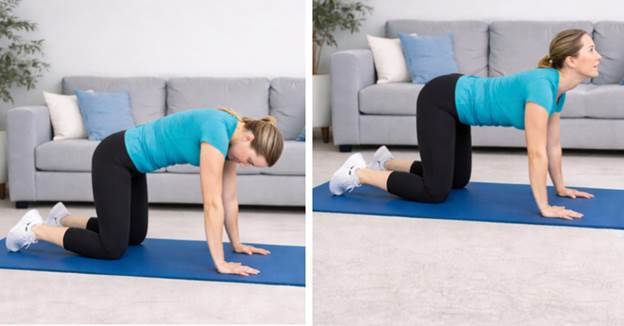
This stretch encourages gentle movement through the entire spine, and is another great way to help your spinal flexibility and mobility
How to Do It
- Start on hands and knees.
- Arch your back upward (Cat position).
- Slowly drop your belly and lift your head and chest (Cow position).
- Move smoothly between the two positions.
Try 10-12 slow repetitions if comfortable. Focus on slow breathing while moving through each position.
Pelvic Tilts
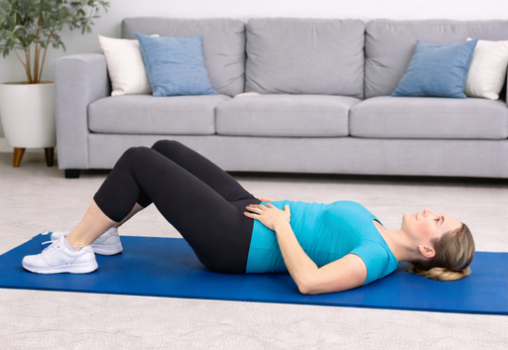
This stretch is great for helping to reduce stress on the lower back while strengthening the deep abdominal muscles that support the spine.
How to Do It
- Lie on your back with knees bent and feet flat.
- Tighten your abdominal muscles.
- Gently tilt your pelvis so your lower back presses into the floor.
- Hold for 5 seconds, then relax.
Try 10-15 repetitions if you can. Avoid pushing with your legs during the movement. Focus on engaging your core.
Bird Dog Exercise

This exercise is great for building core stability and balance, while strengthening muscles that support the spine.
How to Do It
- Start on hands and knees.
- Extend your left arm forward.
- Extend your right leg straight behind you.
- Hold for 5–10 seconds, keeping your back neutral.
- Return to start and switch sides.
Try it for 8-10 reps or whatever is most effective for you. To keep your spine straight, it can be helpful to imagine balancing a glass of water on your lower back.
Glute Bridges
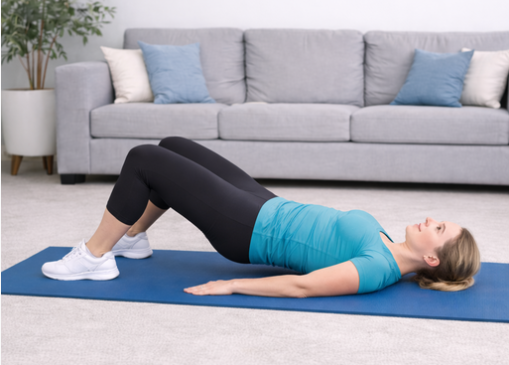
This stretch is great for reducing strain on your lumbar muscles. It also helps to strengthen the glutes and core, which help stabilize the lower back.
How to Do It
- Lie on your back with knees bent and feet hip-width apart.
- Press through your heels.
- Lift your hips toward the ceiling.
- Squeeze your glutes at the top.
- Lower slowly.
Repeat for 10-15 reps or whatever suits your comfort level. Keep your core engaged and avoid arching your lower back.
Small Movements Can Make a Big Difference
Consistent gentle exercises like these can help to relieve lower back and can also help to improve spine mobility and strengthen surrounding muscles, which can contribute to preventing future injuries and pain. Start slowly and focus on proper form. Light exercise done correctly is better than heavy exercise done incorrectly. People have different situations and fitness levels, so pay attention to your body and don’t overdo it.
Sometimes lower back pain can be a reason to reach out to a medical professional like a physical therapist. If you find that the pain is not improving and lasts more than a couple weeks, it may indicate a deeper underlying issue that needs to be addressed. If your back pain radiates down your legs, or is accompanied by numbness, tingling, or weakness, contact a physical therapist.
A physical therapist can give you a professional evaluation to uncover the root cause of your pain. They can create a personalized exercise plan based on your needs and abilities and adjust the plan accordingly as you progress. Importantly, physical therapy can not only treat your pain, but can also improve your strength, flexibility, and mobility, making future pain less likely and helping you generally move and feel better.